Lorem ipsum dolor sit amet, consectetur
Keeping Airflow In and Rodents Out
Foundation and attic vents should be covered with 16- or 20-gauge galvanized hardware cloth with quarter-inch openings, according to the Contra Costa Mosquito and Vector Control District, because broken or missing screens are among the most common rodent entry points. Rat Busters Rodent Proofing handles vent and gap sealing that restores those screens and closes the gaps around them. We work across Antioch, CA and nearby Danville, Brentwood, and Walnut Creek, along with properties throughout Solano County.
Vents have to breathe, so sealing them takes more care than simply covering an opening. With 15+ years in rodent work, our crew replaces damaged screens, secures loose frames, and closes the surrounding gaps while keeping attics and crawl spaces properly ventilated. We point out every vent we treat and every gap we close. The work is backed by our warranty and responsive follow-up. Book a free inspection through our contact page to find out which vents need attention.
Vulnerable Vents and Gaps We Seal
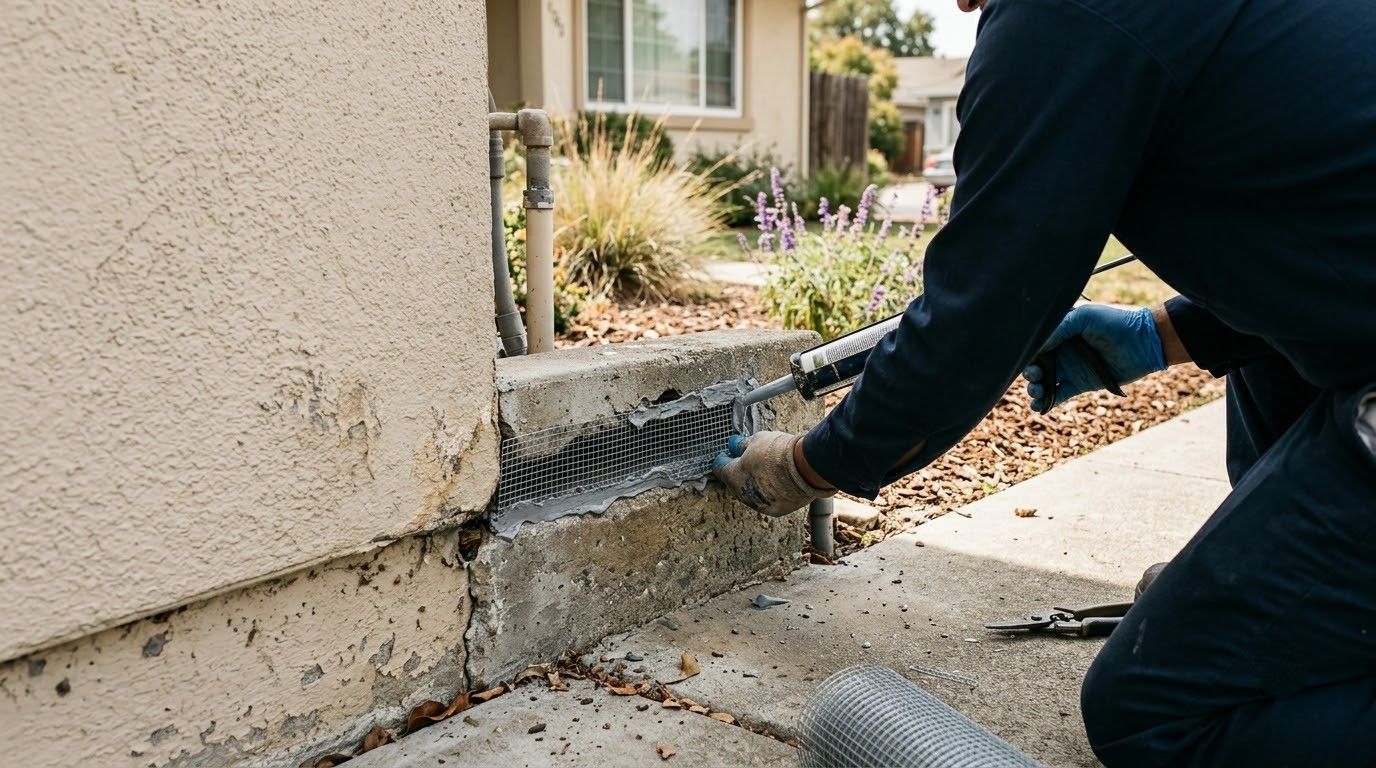
Foundation Vent Screen Replacement
Crawl space vents take a beating from weather, landscaping, and curious pets, and loose mesh gives rodents an easy way under the floor. We remove damaged screens, install heavy galvanized hardware cloth, and secure the frames so they stay tight for years.
Attic and Gable Vent Screening
Gable and attic vents sit high on the house where torn screens go unnoticed for years. We replace deteriorated mesh with rodent-grade hardware cloth, fasten it securely inside the frame, and confirm the vent still moves air freely into the attic space.
Roof Plane Gap Closure
Builders sometimes leave a void where two roof planes meet, an opening carpenters call a bird's nest. We locate these gaps along the roofline, close them with hardware cloth or metal flashing, and remove one of the most overlooked attic entry points.
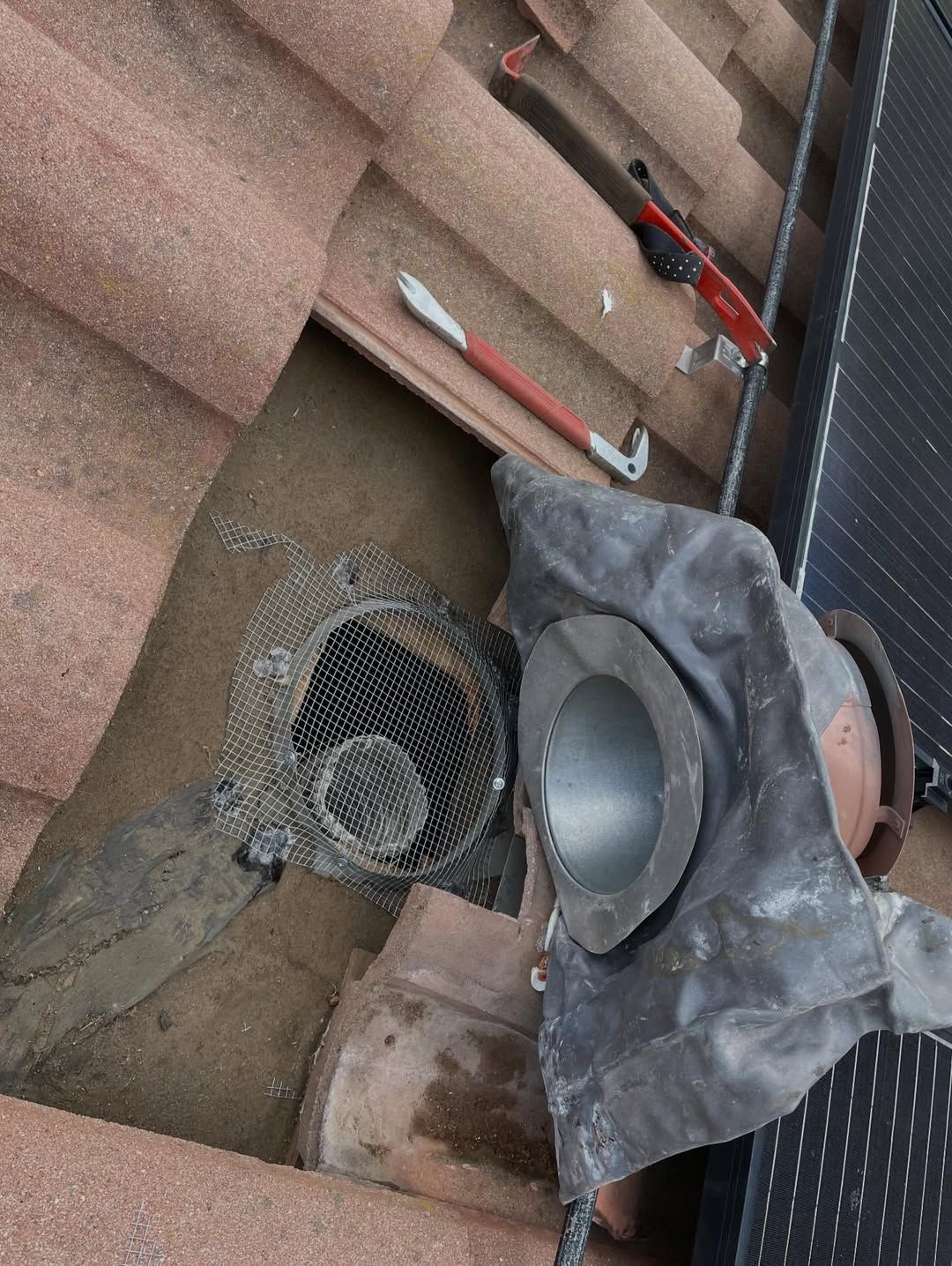
Roof Jack and Exhaust Pipe Sealing
The space between a roof jack and the vent pipe from a kitchen fan or water heater can leave just enough room for a rodent. We close those rings with metal collars and appropriate sealants, keeping the exhaust path clear and safe.
Brick-Faced Vent Frame Sealing
When foundations are faced with brick, vent screens may leave gaps along the bottom or sides of the opening. We fill those spaces around the frame with cement patch or fitted metal, so the screen itself is no longer the weak point.
Siding and Trim Gap Closure
Gaps open where siding meets trim, at corner boards, and along fascia as wood shrinks and settles. We close these seams with rodent-resistant materials that suit the surface, preventing rats and mice from squeezing into wall cavities and soffits.
Benefits of Vent & Gap Sealing
Airflow Without Access
Proper vent screening lets your attic and crawl space breathe while physically blocking rodents. You keep the ventilation your home needs to manage heat and moisture without giving rats and mice an open invitation to move into those spaces.
Protection for Crawl Spaces and Attics
These two areas hide ductwork, wiring, plumbing, and insulation that rodents love to damage. Sealing the vents and gaps that lead into them protects the systems you rarely see but rely on every single day for comfort and safety.
Longer-Lasting Vent Screens
Heavy galvanized hardware cloth resists rust, weather, and gnawing far better than standard window screening. Upgraded screens stay intact for years, so you are not replacing torn mesh every season or discovering rodent damage long after the fact.
Fewer Birds and Insects Too
The same openings that admit rodents also let in birds, bats, and insects looking for shelter. Sealing vents and gaps closes the door to many uninvited visitors at once, keeping attics and crawl spaces cleaner and quieter overall.
Moisture Control Preserved
Blocking vents completely can trap humidity and lead to mold or wood rot. Screening instead of sealing shut keeps air moving through these spaces, protecting framing and insulation while still keeping rodents out of places they should never be.
Simpler Future Maintenance
Once vents and gaps are properly secured, checking them becomes a quick visual task. You can glance at your foundation and roof vents during routine yard work and know right away whether anything has changed or needs a closer look.
BENEFITS 1
Insert content
BENEFITS 2
Insert content
BENEFITS 3
Insert content
Let Your Home Breathe Without Letting Rodents In
Vents are supposed to move air, not rats and mice, and a few worn or missing screens can undo years of good home maintenance. Rat Busters Rodent Proofing helps homeowners in Antioch, CA restore that balance with durable screening, careful gap sealing, and attention to the roof and foundation openings that often go unnoticed. We will show you exactly which vents need work, explain how we will handle each one, and keep the steady ventilation your home depends on fully intact. Visit our contact page to schedule a free inspection and find out where your vents and gaps stand today.
FAQ's
Got Questions? We’ve Got Answers.
What type of screen keeps rodents out of vents?
Galvanized hardware cloth in 16 to 20 gauge with quarter-inch openings is the standard recommended by local vector control experts. It lets air pass while resisting gnawing, rust, and weather far better than window screen or plastic mesh.
Why not use regular window screen on vents?
Window screen is thin enough for rats and mice to chew or tear through quickly, and it corrodes outdoors. It also clogs with dust and lint, reducing airflow, which is why heavier hardware cloth is the better choice for rodent protection.
Can sealing vents cause moisture problems?
Sealing vents completely shut can trap humidity, but screening them properly does not. Rodent-proof hardware cloth keeps air moving through attics and crawl spaces while blocking animals, so ventilation stays intact and moisture has a way to escape.
How can I tell if a vent screen is damaged?
Look for torn, bent, or rusted mesh, gaps around the frame, and droppings or greasy rub marks near the opening. Vents behind shrubs or under decks are easy to overlook, so check those areas carefully at least twice a year.
What is a bird's nest gap on a roof?
It is a construction void left where two different roof planes meet, often hidden from view at ground level. Rodents and birds use these openings to reach the attic, and vector control guidance lists them among common entry points worth sealing.
Do roof vents need rodent screens?
Many roof vents, gable vents, and soffit openings benefit from rodent-grade screening, especially where screens were never installed or have deteriorated. Roof rats readily climb to these heights, so elevated vents deserve the same protection as foundation vents.
Does Rat Busters replace foundation vent screens?
Yes. Rat Busters Rodent Proofing replaces damaged foundation vent screens with heavy galvanized hardware cloth for homes in Antioch, CA. We secure each frame and seal surrounding gaps so the crawl space stays ventilated but closed to rodents.
How does Rat Busters seal vents without blocking airflow?
Rat Busters Rodent Proofing uses quarter-inch hardware cloth on every vent in Antioch, CA homes, keeping airflow open while stopping rodents. Our 15+ years of rodent work help us close surrounding gaps without disrupting the ventilation each space needs.