Lorem ipsum dolor sit amet, consectetur
Building a Home That Rats and Mice Cannot Enter
The Contra Costa Mosquito and Vector Control District recommends closing every opening larger than a quarter inch and inspecting the structure twice a year. Rat Busters Rodent Proofing turns that standard into a complete rodent proofing service, sealing rooflines, vents, foundation gaps, garage doors, and utility penetrations with materials rats and mice cannot chew through. We work with property owners in Antioch, CA and nearby Walnut Creek, Lafayette, and Danville, along with the wider Contra Costa County area.
Proofing is where long-term results are won, and our 15+ years in the field have taught us exactly where rodents find a way in. We start with a free inspection, document each opening, and match it with galvanized hardware cloth, sheet metal, cement patch, or heavy-duty door sweeps. Every project comes with warranty-backed service and responsive follow-up. Mention our website when you reach out to save 10% on rodent control services, and schedule through our contact page.
Rodent Proofing Solutions We Provide
Whole-Home Proofing Assessment
Before sealing anything, we walk the roof, attic, crawl space, and exterior perimeter to find every gap rodents could use. That complete picture prevents the common mistake of sealing a few obvious holes while leaving the real entry points open.
Roofline and Eave Proofing
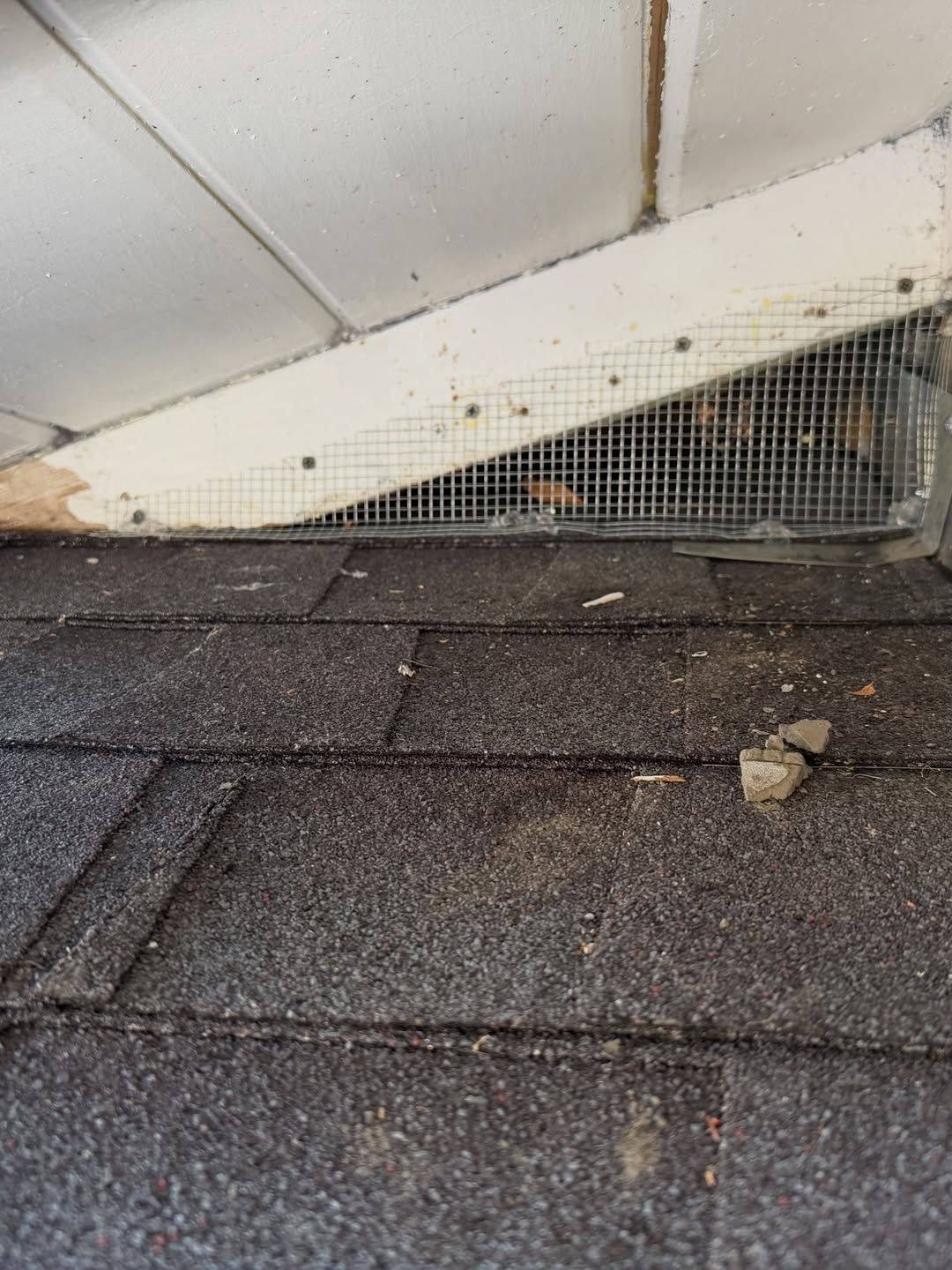
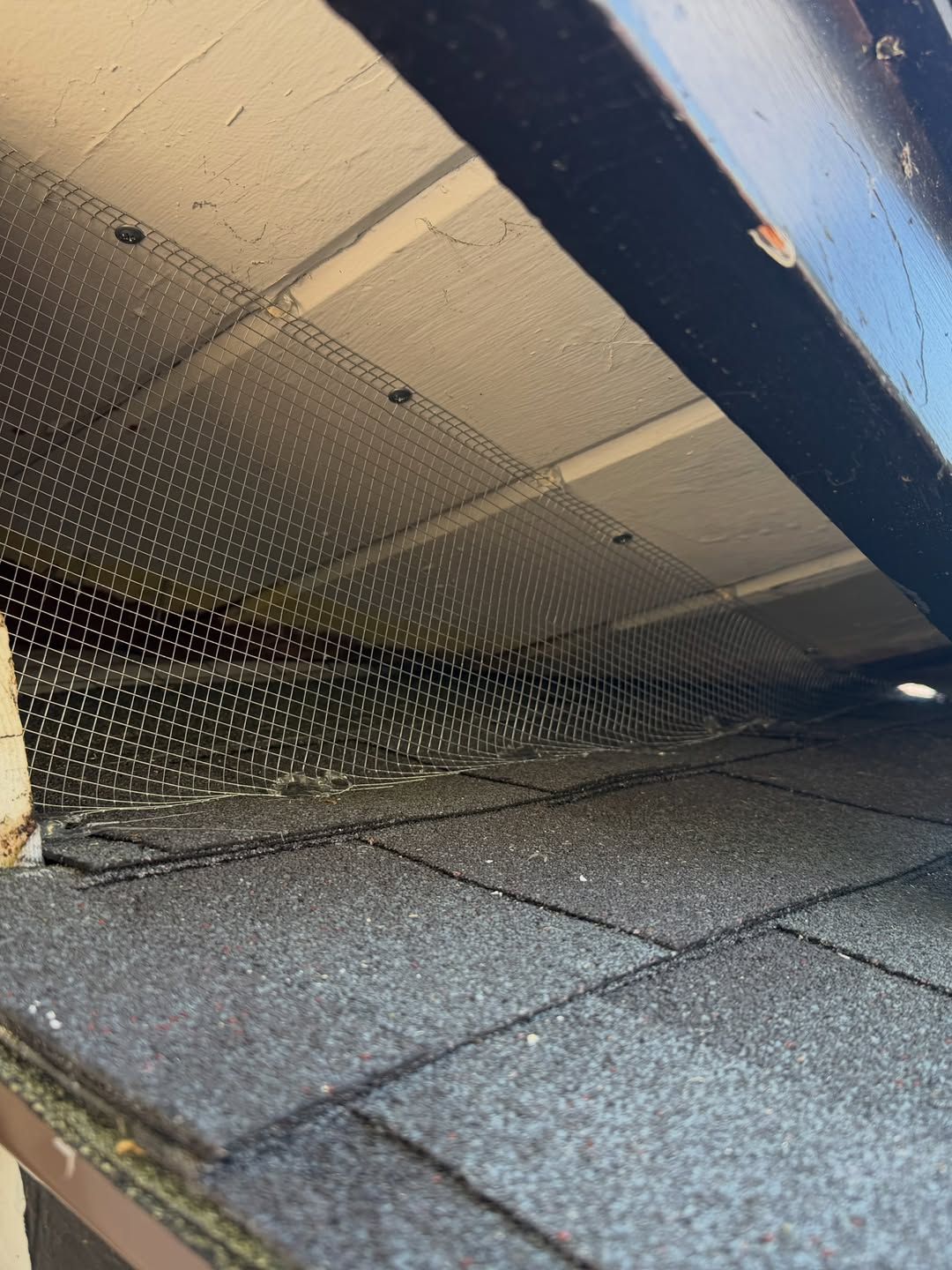
Rodents often slip in where two roof planes meet, along gaps in eaves, and through open ends on tile roofs. We close those areas with hardware cloth and metal flashing, paying close attention to the elevated spots roof rats reach by climbing.
Foundation and Crawl Space Proofing
Loose foundation vent screens, poorly fitted crawl space doors, and cracks along the slab give rodents direct access beneath your floors. We repair or replace screens, secure access doors, and fill foundation gaps with durable materials that resist gnawing.
Garage Door and Threshold Proofing
Garages leak rodents along the bottom and sides of large doors and under side doors missing thresholds. We install rodent-resistant sweeps, side seals, and sheet metal edging so the garage stops acting as an open doorway into your home.
Utility Penetration Proofing
Pipes, cables, and conduit entering exterior walls leave gaps that rodents widen quickly. We fit sheet metal collars on wood siding, use cement patch in stucco or brick, and close the voids around AC lines, gas lines, and cable entries.
Chimney and Fireplace Gap Repair
Chimneys that have settled away from the house and fireplaces without spark arresters create openings many homeowners miss. We seal the separation gaps, install screening where appropriate, and close the voids that give rodents a hidden route to the attic.
Benefits of Rodent Proofing
Protection That Lasts for Years
Traps handle the rodents inside today, while proofing stops the ones outside tomorrow. Sealing entry points with metal and cement materials gives your home a barrier that keeps working long after the last trap is picked up and the attic falls quiet.
Less Reliance on Traps
Once rodents cannot get inside, there is little reason to keep traps set in the attic or garage year after year. Your home stays cleaner and simpler to manage, without the ongoing chore of checking and resetting equipment.
Fewer Drafts and Gaps
Many of the openings rodents use also let in outside air, dust, and insects. Closing them tightens the building envelope, which can make rooms feel less drafty and help your heating and cooling work a little less hard each season.
Protected Home Value
Chewed wiring, contaminated insulation, and stained ceilings can surface during a home inspection and complicate a sale. Keeping rodents out protects the condition of your property and spares you costly surprise findings right when it matters most to you.
Fewer Pests Overall
The same gaps that admit rats and mice also invite other unwanted visitors. Sealing vents, foundation openings, and door gaps reduces access for many small creatures, giving your home broader, more lasting protection than rodent work alone would suggest.
Confidence Before Seasonal Shifts
Cooler weather and harvest season push rodents toward structures in search of shelter. A proofed home meets that pressure prepared, so you are not scrambling to react when rodent activity typically climbs around the neighborhood each fall and winter.
BENEFITS 1
Insert content
BENEFITS 2
Insert content
BENEFITS 3
Insert content
Close the Door on Rodents for Good
The most effective rodent control happens before a rat or mouse ever reaches your attic, and that starts with a structure that gives them no way in. Rat Busters Rodent Proofing helps homeowners in Antioch, CA build that barrier with careful inspections, durable materials, and sealing work matched to how local rats and mice actually behave. We will show you the gaps we find, explain our recommendations, and let you decide how to move forward at your own pace. To get a clear, honest look at where your home is vulnerable, visit our contact page and schedule a free proofing inspection today.
FAQ's
Got Questions? We’ve Got Answers.
What materials are used for rodent proofing?
Durable proofing relies on 1/4-inch galvanized hardware cloth, sheet metal, metal flashing, cement patch, and heavy door sweeps. Foam, rubber, vinyl, plastic screening, and wood alone do not hold up, because rats and mice chew through them quickly.
Is steel wool enough to keep rodents out?
Steel wool works as a temporary plug, but it rusts, compresses, and can be pulled apart over time. For lasting results, gaps should be closed with hardware cloth, sheet metal, or cement materials that rodents cannot remove or chew.
Will rodent proofing trap rodents inside my home?
It can if sealing happens before active rodents are removed, which is why timing matters. Proofing works best alongside trapping, so the animals inside are caught while their routes are closed, preventing them from dying in walls or chewing new exits.
Does rodent proofing affect attic or crawl space ventilation?
Proper proofing keeps needed airflow fully intact. Vents are covered with 1/4-inch hardware cloth that lets air pass while blocking rodents, so attics and crawl spaces stay ventilated as building codes require and moisture does not build up underneath.
How often should a home be checked for new gaps?
Vector control experts recommend inspecting the structure twice a year, since settling, weather, and home projects can create new openings. Checking after roofing, HVAC, or cable work is also smart, because contractors often leave small gaps around new penetrations.
Can rodents chew through hardware cloth?
Galvanized hardware cloth in 16 to 20 gauge with 1/4-inch openings resists rodent gnawing and is the standard recommended by vector control agencies. Lighter window screening and plastic mesh, on the other hand, fail quickly under determined teeth.
Does Rat Busters warranty its rodent proofing work?
Yes. Rat Busters Rodent Proofing stands behind our proofing work in Antioch, CA. If rodents return within the terms of our warranty, we come back to find the cause and address it, reflecting 15+ years of commitment to long-term results.
What does a Rat Busters proofing project include?
Each project from Rat Busters Rodent Proofing in Antioch, CA starts with a free inspection, followed by a clear plan covering every opening we found. We complete the sealing, walk you through the finished work, and follow up afterward.