Lorem ipsum dolor sit amet, consectetur
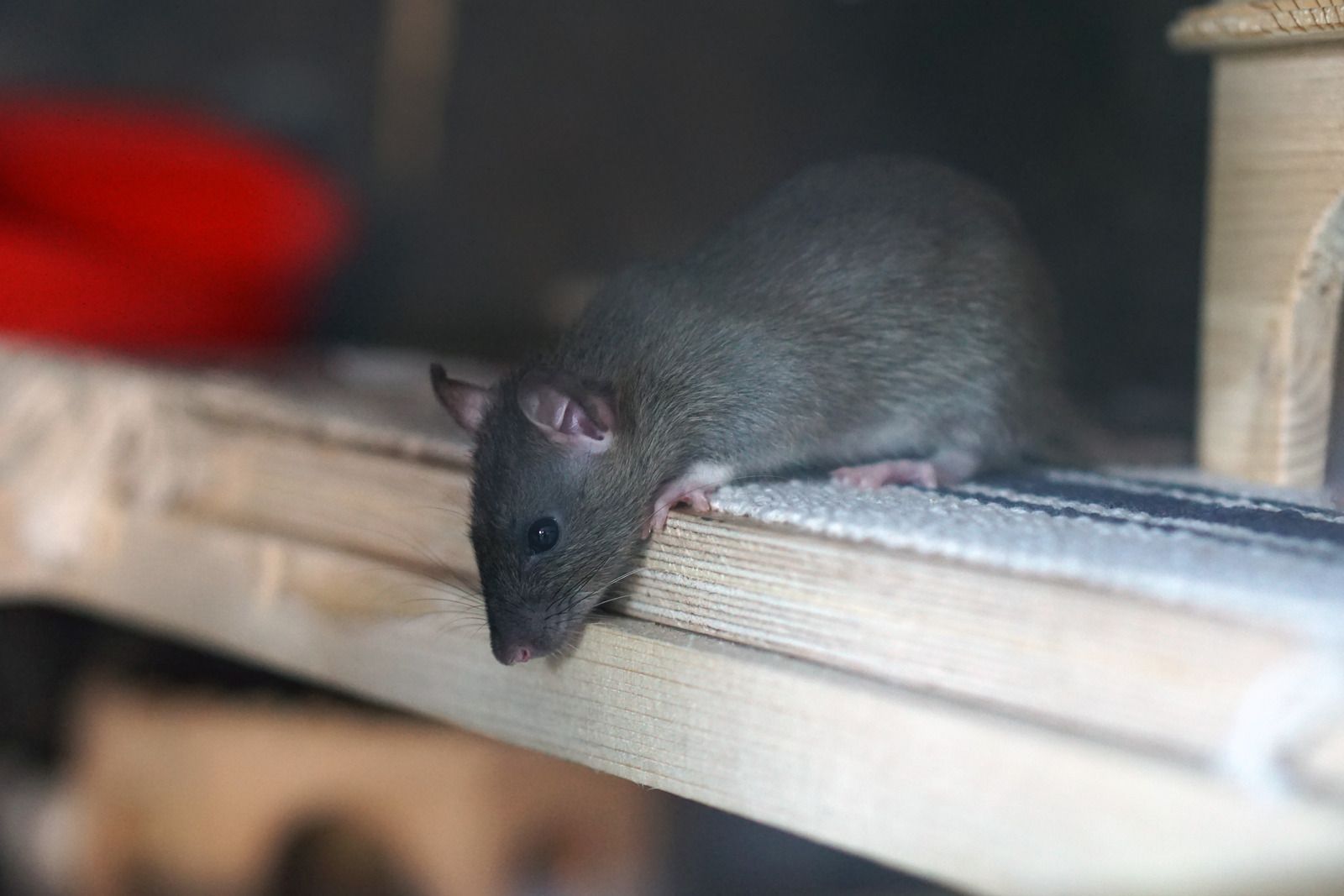
Getting Ahead of Rats Before the Chewing Spreads
Roof rats routinely travel 300 feet or more to find food, so the rat living in your attic may be feeding on a neighbor's citrus tree down the block. Rat Busters Rodent Proofing handles rat removal for both roof rats and Norway rats, trapping along the runways each species uses and clearing them from attics, walls, garages, and yards. We work throughout Antioch, CA and nearby Oakland, San Ramon, and Danville, along with neighborhoods across Alameda County.
Rats are wary of anything new in their path, so placement and patience matter more than trap count. With 15+ years behind us, our team reads droppings, rub marks, and gnawing to set each trap where rats already move, then checks results on a steady schedule. Every job includes clear updates and warranty-backed service from start to finish. Contact us to book a free inspection and get the rats out before they settle any deeper into your home.
Rat Infestations We Locate and Remove
Roof Rat Removal
Slender and agile, roof rats climb vines, fences, and utility lines to reach attics and upper walls. We set traps on beams, ledges, and elevated runways where they actually travel, since ground-level placement alone rarely catches this climbing species in meaningful numbers.
Norway Rat Removal
Norway rats are heavier burrowers that tunnel along foundations, under decks, and beneath woodpiles. We target burrow openings and ground-floor travel routes, trap in garages and crawl spaces, and note the soil disturbance that shows where their burrows connect to the structure.
Attic and Wall Void Trapping
Rats running between attic joists and inside wall cavities leave grease marks and droppings along the same paths every night. We work those hidden corridors directly, using access points that avoid unnecessary drywall cuts while still reaching the spots rats rely on most.
Garage and Shed Rat Removal
Sheds and detached garages often become the first foothold before rats move into the house. Our crew clears activity from stored boxes, workbenches, and shelving, then points out gaps under doors and along wall bases that invite rats to settle in.
Yard and Fence Line Activity Checks
Fence tops, dense ivy, and fruit trees act as highways and pantries for rats outdoors. We look for hollowed fruit, broken snail shells, and worn paths along fence lines, which helps us understand how rats reach the house before we trap.
Rat Carcass Removal
Once trapping starts, carcasses need prompt handling to prevent odor and flies. We remove caught rats on every visit, double-bag them for disposal, and disinfect trap areas, so the cleanup side of rat removal never becomes a lingering problem for your household.
Benefits of Rat Removal
Reduced Risk From Chewed Wiring
Gnawing rats strip wire insulation inside attics and walls, exposing conductors that were never meant to be bare. Removing the rats before chewing spreads protects the electrical runs you cannot see and spares you the cost of tracing damage room by room.
Safer Food Storage
A single rat can contaminate far more food than it eats by leaving urine and droppings behind. Clearing rats from pantries, garages, and storage areas means cereal, pet food, and bulk supplies stay clean and you stop throwing away groceries.
Relief From Nighttime Noise
Heavy thumps and scratching in the ceiling are hard to ignore once you hear them. With the rats gone, evenings return to normal, and you no longer lie awake wondering how many animals are moving through the attic above you each night.
Less Structural Chewing
Rats chew through wood trim, plastic pipes, rubber seals, and even wallboard to widen openings. Early removal limits how much of your home gets reshaped by their teeth, keeping repair lists short and saving the budget you would otherwise spend fixing it.
Species-Specific Results
Roof rats and Norway rats behave differently, so a one-size approach often misses half the problem. Tailoring trap height, location, and timing to the species present leads to faster captures and fewer surprises weeks after you thought the job was finished.
Peace of Mind for Pets and Kids
Traps placed in attics, crawl spaces, and enclosed areas keep dangerous equipment out of reach of curious children and pets. You get effective removal without scattering hazards across the floor or worrying every time the dog noses around the garage.
BENEFITS 1
Insert content
BENEFITS 2
Insert content
BENEFITS 3
Insert content
Reclaim Your Home Without Sharing It With Rats
Rats do not wait for a good moment, and every week they stay means more droppings, more chewed materials, and more young joining the colony. Rat Busters Rodent Proofing helps homeowners in Antioch, CA take control with trapping matched to the species, careful carcass handling, and honest advice about the conditions that keep drawing rats in. You will know what we found, what we recommend, and why, before any work begins. If scratching in the attic or droppings in the garage have you uneasy, send us a message through our contact page and we will set up a convenient time to inspect your property and walk you through the findings.
FAQ's
Got Questions? We’ve Got Answers.
How can I tell roof rats from Norway rats?
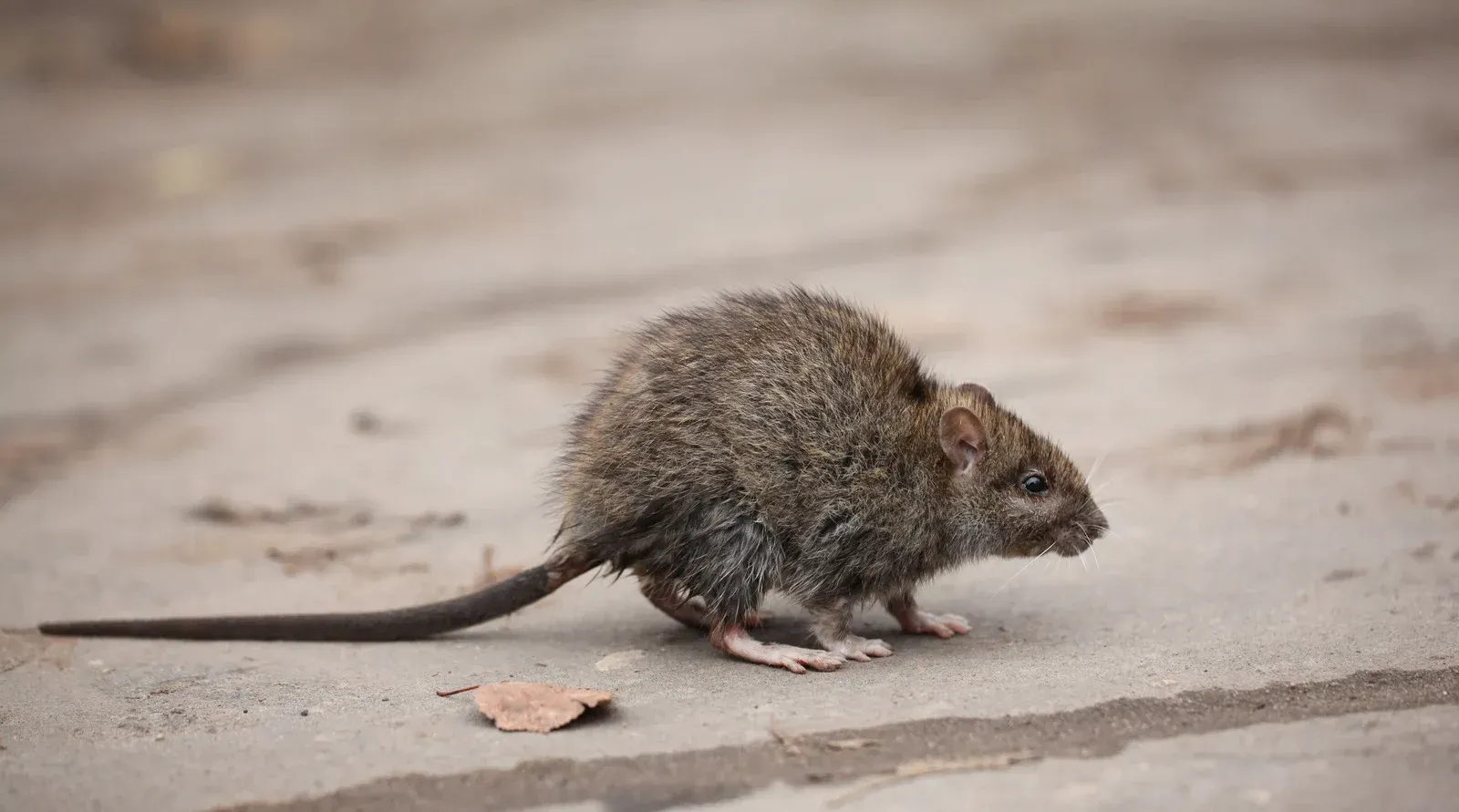
Roof rats have tails longer than their head and body combined, large ears, and pointed noses. Norway rats are stockier with blunt noses, small ears, and shorter tails, and they usually stay near the ground while roof rats climb high.
What do rat droppings look like?
Fresh or old, these droppings are dark, spindle shaped, and roughly half an inch long. They tend to collect near runways, feeding spots, and shelter, and fresh ones look shiny and soft while older droppings turn dull, dry, and crumbly over time.
Why are rats getting into my fruit trees?
Citrus, avocados, and nuts are a reliable food source, especially when fallen fruit sits on the ground overnight. Oranges hollowed out while still on the branch are a classic sign of roof rats, which then use the same trees to reach your roof.
Are rats dangerous to my family's health?
Rats can spread bacteria such as salmonella and leptospira through urine and droppings that contaminate food, water, and surfaces. They are not known to carry rabies, but their waste and parasites still pose risks that make prompt removal the safer choice.
Why not just use poison bait for rats?
Poisoned rats often die inside walls or attics, leaving odors and flies behind, and baits can harm pets and wildlife. Rat Busters Rodent Proofing in Antioch, CA leans on trapping and exclusion, in keeping with our humane, eco-friendly approach to removal.
Can rats chew through walls and pipes?
Yes, rats regularly gnaw through wallboard, wood, plastic, and rubber to widen gaps or reach food. Metal flashing, sheet metal collars, and cement patching resist their teeth, which is why durable materials matter so much once removal is complete.
Will rats leave on their own once food is gone?
Rarely. Rats shift to other food sources nearby, such as pet bowls, compost, bird feeders, or snails, while holding onto nesting sites they already know. Removing food helps, but trapping and sealing are what actually end an established rat problem.
What happens after I call for rat removal?
Rat Busters Rodent Proofing starts with a free inspection at your Antioch, CA property, identifies the species and entry points, and explains the plan. Trapping follows, with scheduled checks, carcass removal, and recommendations for sealing so rats stay out afterward.