Lorem ipsum dolor sit amet, consectetur
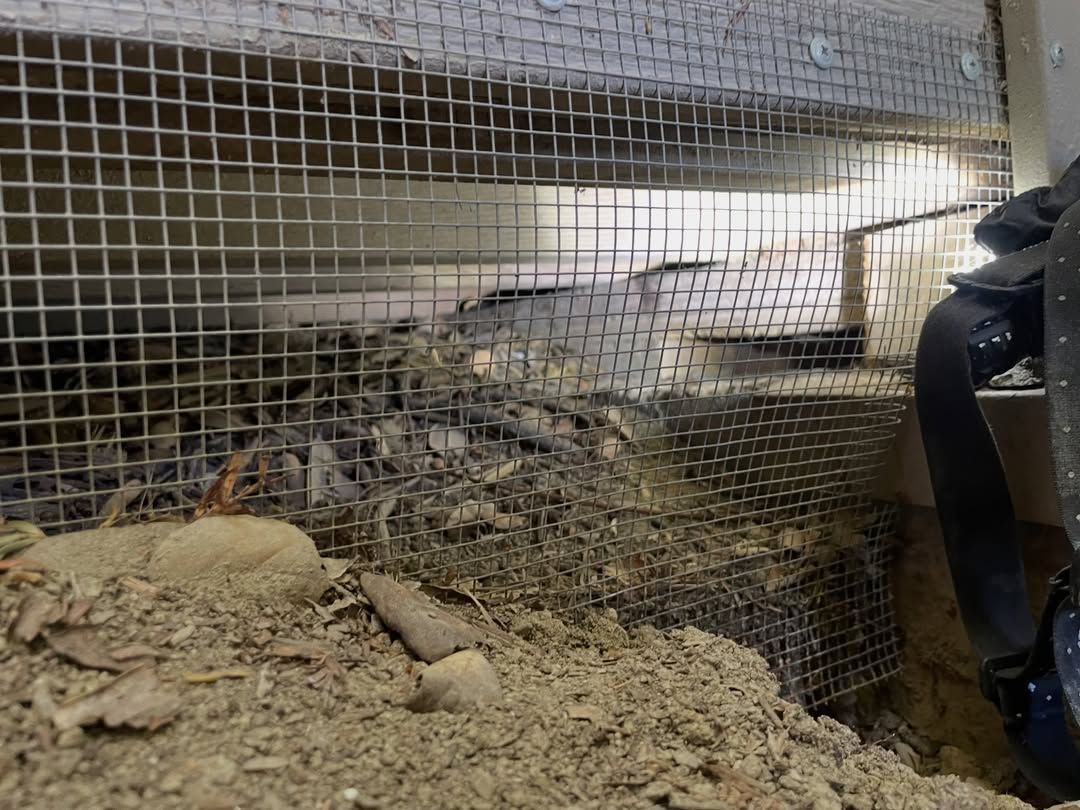
Sealing the High and Low Routes Rats Depend On
University of California research notes that proofing against roof rats usually takes more time than proofing against Norway rats, because these agile climbers find openings high up on a home's structure. Rat Busters Rodent Proofing handles rat proofing for both species, sealing elevated gaps at rooflines, soffits, and utility entries along with the ground-level holes burrowing rats prefer. We serve Antioch, CA and nearby Brentwood, Lafayette, and Oakland, along with homeowners in communities throughout Solano County.
Roof rats climb vines, fences, and power lines, so our proofing starts with a full look at how they travel onto your roof. With 15+ years behind us, we seal each opening with hardware cloth, sheet metal, or bird stops, then point out the branches and vegetation that give rats a bridge back in. You get warranty-backed service and honest recommendations. Schedule a free inspection through our contact page to learn exactly where your home needs rat proofing.
Rat Proofing Measures We Install
Elevated Entry Point Sealing
Roof rats reach openings that most homeowners never see from the ground. We work along rooflines, dormers, and upper walls, sealing gaps around fascia boards, ridge lines, and roof jacks with metal materials sized to stop a determined climber.
Tile Roof Bird Stop Installation
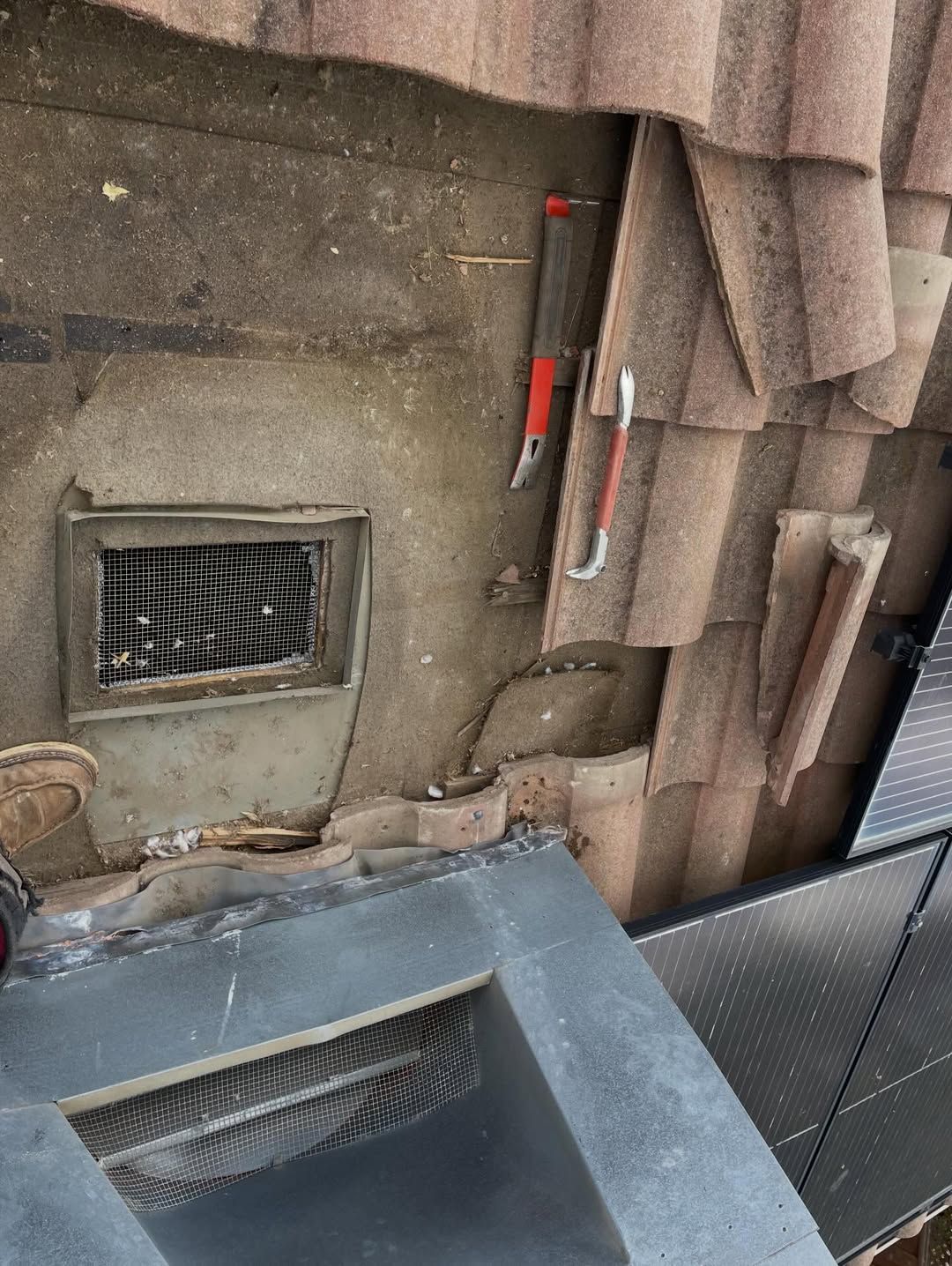
Clay and concrete tile roofs often leave open channels at the eave line where end caps are missing. We install bird stops or eave closures that fill those channels, blocking a common roof rat entry while preserving the ventilation tile roofs need.
Tree Limb and Vine Clearance Guidance
Overhanging branches and climbing vines give rats a direct path to your roof. We identify every limb and vine creating a bridge, recommend trimming overhanging limbs back about 6 feet, and explain which plants encourage roof rat foraging around the home.
Utility Line Access Points
Rats use overhead cables to travel between poles, trees, and rooflines. We check where lines meet the house, seal the gaps around service entries, and advise when to contact the utility company about guards on wires rats are traveling across.
Soffit and Gable Vent Screening
Soffit and gable vents sit high enough that damage often goes unnoticed until rats move in. We replace torn or loose screens with galvanized hardware cloth, secure the frames, and keep airflow intact so the attic stays properly ventilated.
Ground-Level Burrow Blocking
Norway rats tunnel along foundations and slip under slabs, stoops, and porches. We close burrow openings, seal foundation cracks and gaps under stairs, and recommend buried barriers where burrowing keeps returning along the same stretch of foundation year after year.
Benefits of Rat Proofing
Tailored to How Rats Travel
Proofing designed around rat behavior catches entry points generic sealing misses. By following climbing routes and burrow lines, the work addresses the exact paths rats rely on, making every hour spent on your property count toward keeping them outside.
Protected Attic Insulation
Rats nesting in insulation flatten it, soil it with urine, and leave droppings throughout the attic. Keeping them off the roof and out of vents protects that insulation, which helps maintain comfort and avoids the expense of full replacement later.
Fewer Rats on the Roof
Trimmed branches, sealed vents, and bird stops take away the reasons rats visit the roof in the first place. Nighttime thumps and scurrying above the ceiling fade, and your roofline stops serving as a highway for the neighborhood rat population.
Stronger Defense for Older Homes
Older homes develop gaps as materials shrink, settle, and weather. Rat proofing addresses those age-related openings, from sagging vent screens to separated chimney flashing, giving established homes a level of protection that matches, or even exceeds, what newer construction provides.
Reduced Wire and Duct Damage
Attics hold wiring, ductwork, and plumbing that rats love to chew. Sealing them out protects these hidden systems from gnawing, reducing the risk of damaged ducts, compromised wiring, and tucked-away repairs that are expensive to trace and fix.
Confidence Around Fruit Trees
Citrus and avocado trees are part of life in many California yards, but they attract rats. Proofing lets you enjoy your trees without worrying that the rats feeding in them will follow the branches straight into your attic.
BENEFITS 1
Insert content
BENEFITS 2
Insert content
BENEFITS 3
Insert content
Give Rats No Road Into Your Attic
Rats are resourceful climbers and diggers, but even the most persistent ones cannot get through a structure sealed at every level. Rat Busters Rodent Proofing helps homeowners in Antioch, CA close both the high and low routes, from tile roof channels and soffit vents to foundation burrows and utility entries. We will walk the property with you, point out how rats are reaching your home and why, and recommend only the work that makes a real, lasting difference. For a clear look at your roofline and foundation, visit our contact page and book a free rat proofing inspection with our local team.
FAQ's
Got Questions? We’ve Got Answers.
How do rats get onto my roof?
Trees, vines, fences, downspouts, and rough stucco walls all give rats a way up, and they also travel along overhead utility lines. Once on the roof, they search for gaps at eaves, vents, and tile ends that lead into the attic space below.
How far should tree branches be kept from my roof?
University of California guidance recommends removing overhanging limbs within about 6 feet of the roof, and local vector control experts suggest trimming climbing vegetation at least 4 feet away. Both steps take away the bridges rats use to reach rooflines.
What are bird stops on a tile roof?
Bird stops, also called eave closures, are fitted pieces that fill the open channels under the first row of roof tiles. They keep rats and birds from entering those gaps while still allowing the roof to ventilate properly.
How small of a gap can a rat fit through?
Rats can squeeze through surprisingly small openings, which is why vector control agencies recommend sealing any hole larger than a quarter inch. That standard also stops mice, so one careful proofing approach protects against both kinds of rodents at once.
How can I tell if rats are using my roof?
Look for droppings along fence tops, gutters, and patio covers, and listen for scratching in the attic after dark. Rats running along utility lines at dusk or hollowed fruit in your trees are also strong signs of rooftop activity.
Does rat proofing need to be redone over time?
Quality proofing with metal and cement materials lasts for years, but new gaps can form from settling, storms, or home improvement projects. A twice-yearly check catches those changes before rats find them and keeps the original work effective.
Does Rat Busters handle rat proofing on tile roofs?
Yes. Rat Busters Rodent Proofing installs bird stops and seals roof gaps on tile, shingle, and shake roofs throughout Antioch, CA. Our 15+ years of rodent work help us reach elevated openings safely and close them without disturbing the roofing.
What makes Rat Busters rat proofing last?
Rat Busters Rodent Proofing seals openings in Antioch, CA homes with galvanized hardware cloth, sheet metal, and cement patch rather than foam or plastic. We also address the branches and vines rats climb, then back the work with a warranty.